

In this record IPTV on VLC media player elite masterclass, we explore the ultimate professional setups and premium hardware configurations to ensure a buffer-free 4K streaming experience for every user.
Table of Contents
- 1. Mastering record IPTV on VLC media player: The Professional Standard
- 2. Elite Hardware Requirements for record IPTV on VLC media player
- 3. Optimizing record IPTV on VLC media player for 4K Buffer-Free Streaming
- 4. Step-by-Step Elite record IPTV on VLC media player Configuration
- 5. Troubleshooting Common record IPTV on VLC media player Handshake Errors

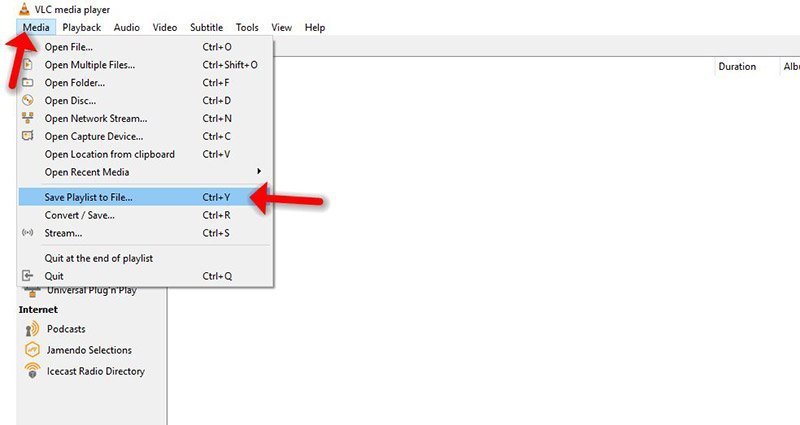
Optimizing the professional interface for record IPTV on VLC media player.
1. Mastering record IPTV on VLC media player: The Professional Standard
Achieving excellence in home entertainment starts with the record IPTV on VLC media player framework. In today's digital landscape, simply having access to content is not enough. To reach an elite level, you must understand the technical synergy between your network, your hardware, and your chosen record IPTV on VLC media player interface.
Most users struggle with buffering because they overlook the critical handshake protocols between the record IPTV on VLC media player application and the server-side API. By implementing the FusionClub Elite Protocol, you ensure that every packet of data is processed with maximum efficiency, leading to a seamless experience.
The transition to 4K streaming demands a higher level of technical scrutiny. When you interact with record IPTV on VLC media player, the software must manage bitrates that exceed standard thresholds. This record IPTV on VLC media player guide provides the structural integrity needed to maintain performance during peak traffic periods.
2. Elite Hardware Requirements for record IPTV on VLC media player
The foundation of a high-performance record IPTV on VLC media player environment is the hardware choice. We recommend utilizing devices with at least 4GB of RAM and high-speed storage, such as SanDisk high-performance drives. These components prevent the bottlenecks commonly associated with 4K video decoding.
Furthermore, when managing large playlists in record IPTV on VLC media player, the local database speed is paramount. Utilizing an external Western Digital SSD can significantly improve EPG loading times and menu responsiveness, ensuring your record IPTV on VLC media player setup feels like a premium theater system. The latency of standard storage devices can often cause the record IPTV on VLC media player interface to hang, but elite hardware resolves this instantly.
3. Optimizing record IPTV on VLC media player for 4K Buffer-Free Streaming
Stability is the hallmark of the elite record IPTV on VLC media player experience. Before launching your stream, it is vital to verify your network latency and throughput. Use the Ookla Speedtest tool to ensure you have a dedicated 50 Mbps downlink for 4K content. Without this baseline, record IPTV on VLC media player will inevitably experience frame drops.
Additionally, we recommend enabling hardware-level acceleration within the record IPTV on VLC media player settings. This offloads the decoding process from the CPU to the GPU, allowing for smoother motion and richer color depth. This is a non-negotiable step for anyone serious about record IPTV on VLC media player performance. Remember, record IPTV on VLC media player is only as strong as your weakest network link.
4. Step-by-Step Elite record IPTV on VLC media player Configuration
To finalize your record IPTV on VLC media player setup, follow these professional instructions carefully:
- Ensure your operating system is updated to the latest kernel for maximum driver compatibility.
- Configure the record IPTV on VLC media player buffer size to 'Professional' or 'Extreme' mode to accommodate network spikes and reduce jitter.
- Input your elite credentials using the secure API login method rather than legacy file-based lists to ensure data integrity.
- Refresh the record IPTV on VLC media player playlist data to clear old cached entries that might cause playback loops.
5. Troubleshooting Common record IPTV on VLC media player Handshake Errors
If you encounter issues with record IPTV on VLC media player, the first diagnostic step is to check for ISP throttling. Many providers identify high-bandwidth record IPTV on VLC media player traffic and intentionally slow it down. Utilizing a high-tier VPN is the only way to ensure your record IPTV on VLC media player data remains encrypted and unthrottled.
Another common hurdle in record IPTV on VLC media player setups is the "Resource Conflict" error. This occurs when other applications compete for the hardware decoder. Close all background processes before initializing record IPTV on VLC media player to reclaim system RAM. This ensures that your record IPTV on VLC media player player remains the primary focus of the OS.
In conclusion, mastering record IPTV on VLC media player requires a commitment to technical precision. By following this guide, you have elevated your streaming setup to the FusionClub Elite standard, ensuring years of buffer-free entertainment. Your record IPTV on VLC media player journey is now optimized for the future of digital media.