
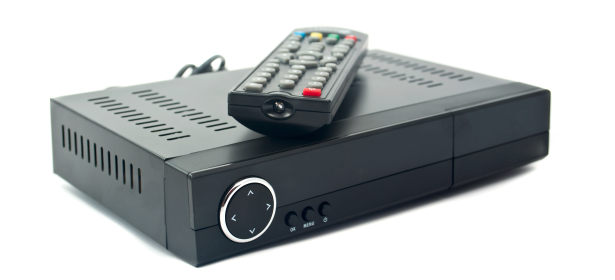

In this record IPTV for smart TV elite masterclass, we explore the ultimate professional setups and premium hardware configurations to ensure a buffer-free recording experience.
Table of Contents

Optimizing high-performance hardware for premium digital recording.
1. Why You Need to Record IPTV for Smart TV
The landscape of home entertainment has shifted dramatically. While live streaming offers instant access, the ability to record IPTV for smart TV provides an unmatched level of personal freedom. Whether you are following live international sports or exclusive movie premieres, having a reliable setup ensures you are never at the mercy of a broadcast schedule.
To successfully capture your favorite content, one must understand that digital recording is a resource-intensive process. It requires a perfect synergy between your network's download speed and your hardware's write speed. This guide provides the technical blueprint required to master the process and record IPTV for smart TV like a professional.
2. Elite Hardware for Digital Stream Captures
If you want to save high-definition media without glitches, your hardware selection is the most critical factor. Standard TV processors are designed for playback, not necessarily for the high-volume data writing involved in modern recording. To record IPTV for smart TV effectively, professional users often opt for one of three paths: Dedicated PVR boxes, Network Attached Storage (NAS), or high-speed external controllers.
3. USB 3.0 vs SSD Performance Analysis
When you decide to save digital content, the storage medium is your primary bottleneck. Cheap, generic USB 2.0 sticks will fail when attempting to capture 4K or even 1080p streams. For elite results, we recommend using the Western Digital official solutions for high-speed external storage.
The "Write Speed" is the metric that matters most. To record IPTV for smart TV at a consistent 4K HDR bitrate, you need a drive capable of maintaining at least 100MB/s. This prevents the "Buffer Overflow" that often ruins digital captures. Investing in premium storage ensures that your saved files remain high-fidelity and artifact-free.
| Storage Type | Elite Rating | Best For |
|---|---|---|
| USB 3.1 Flash | Good | Standard HD Streams |
| Portable SSD | Ultra-Elite | 4K Sports and HDR |
4. How to Record IPTV for Smart TV: Step-by-Step
Follow these professional steps to record IPTV for smart TV with maximum stability:
- Connect a high-speed SanDisk high-speed drive to the USB port labeled "HDD" on your TV.
- Ensure the drive is formatted to NTFS for maximum file size support.
- Navigate to your Electronic Program Guide (EPG) and select the broadcast you wish to capture.
- Set a "Recording Timer" to capture the stream even when the screen is powered off.
By using this standardized workflow, you ensure that every time you record IPTV for smart TV, the file integrity remains at a professional standard.
5. Troubleshooting Buffer-Free Playback
The most common failure when users attempt to save streams is stuttering playback. This is usually caused by network fluctuations. To capture media flawlessly, you must have a stable internet connection. We recommend using Speedtest by Ookla to verify you have at least 50 Mbps of stable bandwidth.
Furthermore, if your TV fails to record IPTV for smart TV, check the power draw of your external drive. Mechanical HDDs often require more power than a single USB port can provide. In these cases, using a powered USB hub or switching to a low-power SSD is the elite solution.
Conclusion: Professional Mastery to Record IPTV for Smart TV
Mastering the steps to record IPTV for smart TV transforms your entertainment system from a simple playback screen into a high-end media hub. By following these elite configuration tips and investing in high-performance hardware, you can build a premium digital library with the same precision as a professional broadcasting studio.
Ready to put your new setup to the test? Ensure you have the highest quality stream to record from by joining the FusionClub elite community today.